 Journey with Junyuan
New ZealandOceania
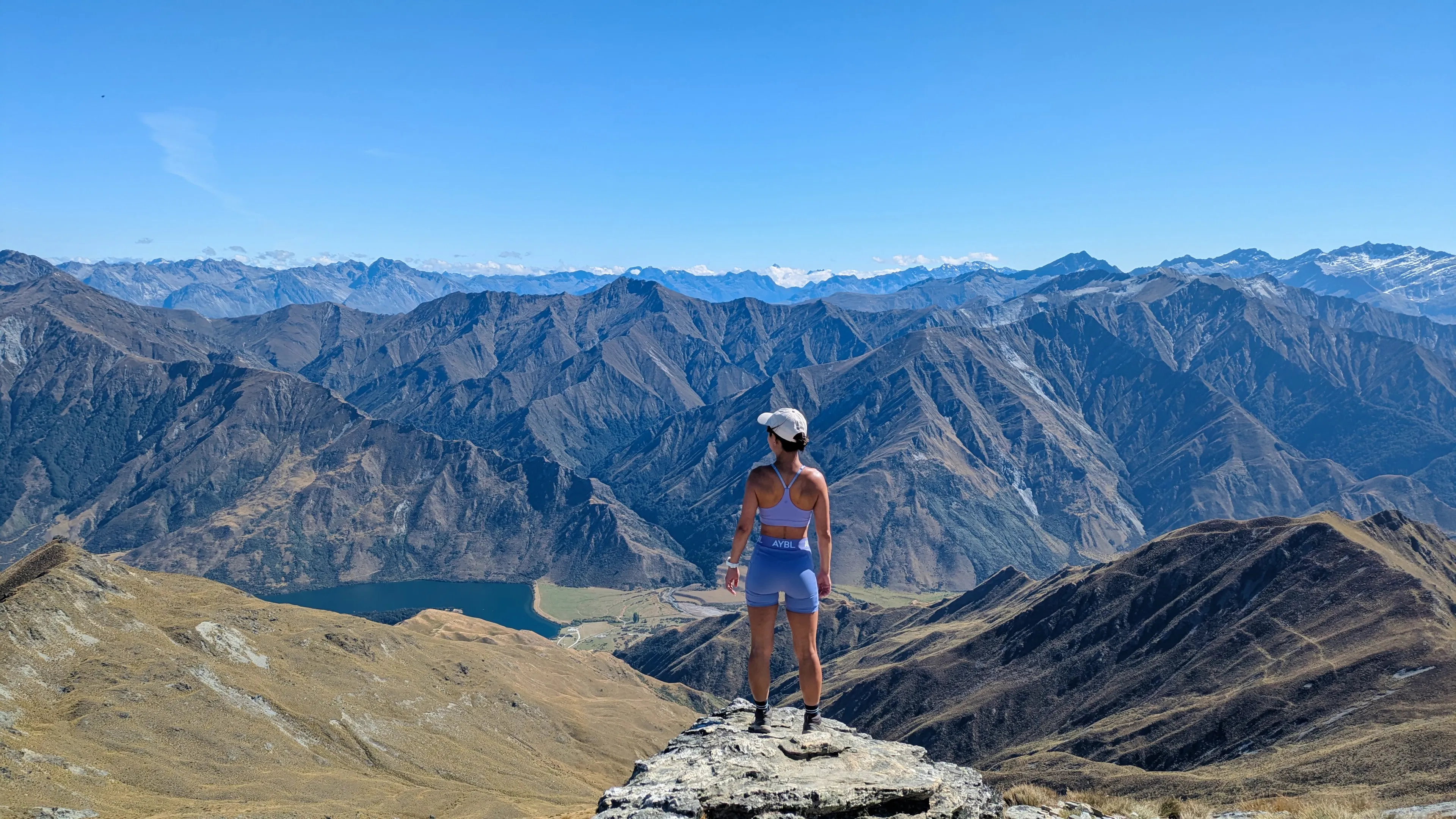
New Zealand is easily one of my favourite countries I’ve ever visited, and its South Island will always have a special place in my heart ❤️🔥 The scenery feels almost unreal — dramatic mountains, lakes in impossible shades of blue, and not to mention the lush native forests and sweet bird songs. For anyone who loves nature and the outdoors, it really does feel like paradise on earth. On top of that, as a solo female traveller I found it incredibly safe and easy to travel through, and the country is full of genuinely warm, friendly, and kind-hearted people. 🤗
Before my trip, I was told again and again that you needed a car to explore New Zealand. And while having one does give you more flexibility, I found that travelling the South Island without a car is not only doable, but surprisingly easy. The InterCity bus network connects all the key towns and runs reliably, while cities like Queenstown, Christchurch, and Nelson are well set up with local transport. For more remote spots like Milford Sound and Aoraki / Mount Cook, I joined day tours — which turned out to be a great way to cover long distances without the effort of driving, with surprisingly entertaining and informative commentary along the way.
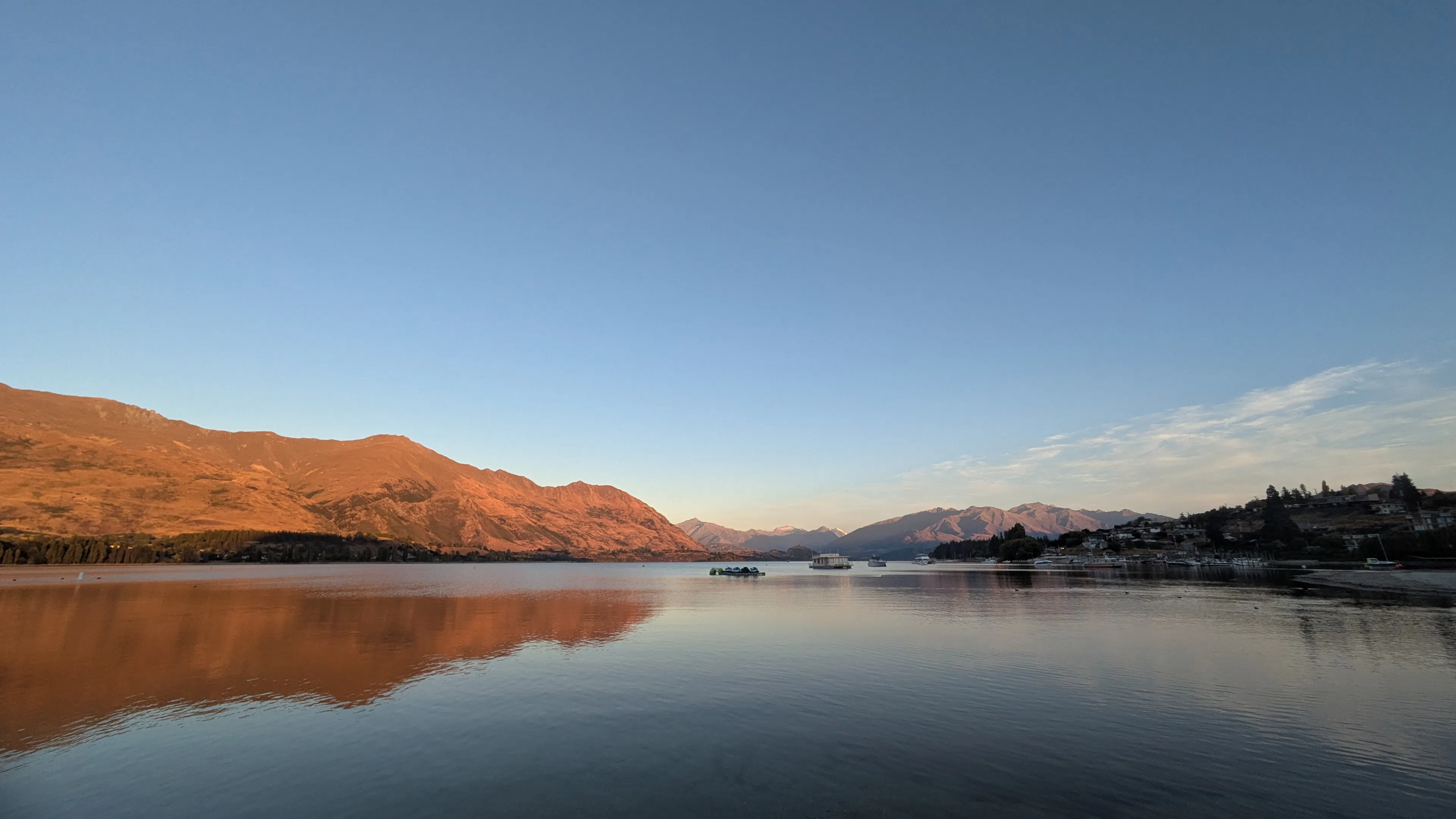
Personally I found March to be a great time to visit New Zealand’s South Island. It’s late summer going into autumn, with warm, sunny days that are perfect for hiking and being outdoors, without ever feeling too hot. The weather is generally settled and dry. In the lake regions, mornings and evenings can be cool and crisp, so it’s best to dress in layers and have a hoodie or fleece ready to throw over your T-shirt. There are definitely way fewer crowds compared to peak summer. Even in popular spots, it felt pretty chill and uncrowded, but still had a nice, lively atmosphere. You’ll also get long daylight hours, with sunsets around 7–8pm. Daylight saving ends 5th April though, after which days become noticeably shorter if you're not an early riser.
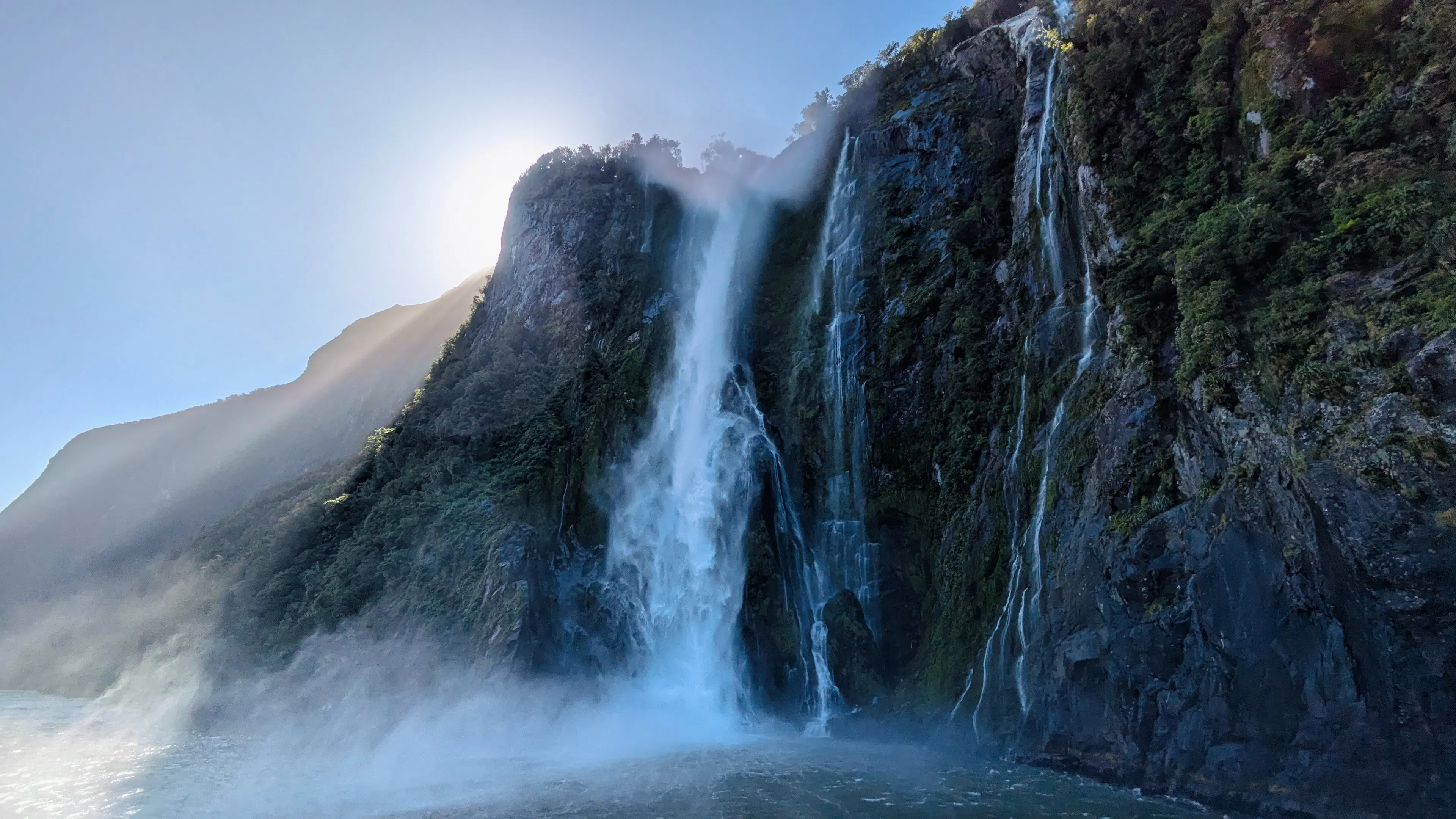
I flew into Auckland from SE Asia and changed for a domestic flight to Queenstown, and from there made my way up north:
Note: I started my trip in Queenstown, as it had always been a bit of a bucket list destination, and I wanted to base myself there for a week after travelling through Southeast Asia and the long journey down to New Zealand. But if you’re planning to visit both Lake Tekapo and the West Coast (including Franz Josef and Fox Glacier), it’d be more efficient to start in Christchurch. From there, you can travel down to Queenstown via one side of the Southern Alps, then go north from Queentown along the other side, as there are no direct roads connecting the Canterbury and West Coast regions. (Yes, this does mean I missed Franz Josef, but now I have a solid reason to go back!)
I ended my South Island journey in Nelson, from where I took a domestic flight to Auckland to explore parts of the North Island.
How long do you need for the South Island? While I spent just over 3 weeks there, this itinerary can be easily adapted into a 2-week or 3–4 week trip, depending on how much time you have and how slowly you want to travel:
~~~

Ben Lomond Peak - a very tough but rewarding hike!


Queenstown was love at first sight. Even before landing, I got a glimpse of the spectacular scenery New Zealand is known for on the flight from Auckland. Seeing the Southern Alps from above was simply breathtaking. (At touristy places you’ll often see scenic flights advertised for hundreds of dollars, but honestly, a domestic flight gives you a pretty incredible view for a fraction of the price.) The plane flew dramatically close to the Remarkables (nicknamed 'Remarks' by locals), and as we descended, their jagged peaks were bathed in soft sunset light — quite an unforgettable welcome.
I stayed a full week in Queenstown, but it flew by, and I could easily have stayed another week or longer. It’s something I heard again and again from other travellers ('A week is not enough for Queenstown,' sighed a mother-daughter duo I met on the gondola). There’s no shortage of things to do in terms of outdoor adventures, and foodwise the town’s many cafés and restaurants will allow you to try something different everyday. At the same time, the calm, expansive beauty of Lake Wakatipu invites you to slow down — grab an ice cream, read a book, or have a snooze on the beach.
If you’re visiting Queenstown without a car, staying near the town centre by Lake Wakatipu is the most convenient option. You’ll be within easy walking distance of cafés, restaurants, shops, tour pick-up points — and right by the lake, where the atmosphere is hard to beat.
That said, I chose to stay slightly outside the centre, around Gorge Road (about a 15–20 minute walk), and actually preferred it. It felt quieter and more residential, while still being completely walkable — a really nice balance between convenience and calm.
If you’re looking for places to stay, here are a few well-located options to consider:
🗺️ See more accommodation options in Queenstown →
👉 Read the more detailed guide on a week in Queenstown.
~~~

After a gruelling 1200m elevation gain at Roys Peak


I’ve been to many beautiful places in New Zealand, but if I had to pick a favourite, it would probably be Wanaka. 🥺
Just 1 hour and 40 minutes from Queenstown on the InterCity bus, Wanaka is often described as a smaller, quieter version of Queenstown. While I can see the similarities, I think it has a distinct atmosphere of its own — less touristy, more intimate, and even more deeply centred around lake life and the outdoors. On a sunny day, the shores of Lake Wanaka are full of people running, cycling, paddling, swimming, reading, picnicking, or simply lying in the sun doing nothing at all. There’s an active, outdoorsy energy to the town, but in a calm, unhurried way that makes it incredibly easy to slow down and spend an entire day by the water. It honestly felt like the most wholesome place on earth. 🫶🏻
However, I did feel the challenge without a car to access some of the nearby hikes. Most of the famous trails are a drive from town but not easily reachable on foot or by public transport (even Roys Peak which is only 10 mins way). There are a few Wanaka and New Zealand hiking Facebook groups for arranging car shares, though success can vary. Even so, I spent 4 days in Wanaka without a car and could easily have stayed longer. And if you do have a car, it opens up even more possibilities for hiking and other adventures in the region.
Wanaka town centre is very compact and walkable, so staying near the lakefront at Roys Bay makes it easy to access cafés, supermarkets, lakeside trails, and shuttle pick-up points without needing a car.
🗺️ See more accommodation options in Wanaka →
👉 Read the more detailed guide on 4 days in Wanaka.
~~~

That gorgeous turquoise blue of Lake Tekapo


The journey from Wanaka to Lake Tekapo took around 3.5 hours on the InterCity. I was picked up by a Yello shuttle (included in the ticket) from Wanaka to Tarras, where I then connected onto a Queenstown–Christchurch bus service heading towards Tekapo.
Lake Tekapo is so stunning. There’s a quiet, cinematic feel to the whole place, the kind that gives 'main character energy' in the best way. The vivid turquoise lake, golden tussock grass, and softer, rounded mountains of the Mackenzie Basin create a completely different landscape compared to the dramatic peaks of the Southern Alps. 🌾
I stayed in Tekapo for 3 days, which felt about right, but also could happily stay for longer.
Tekapo town is even smaller than Wanaka, though it was probably the most expensive place accommodation-wise in New Zealand! But staying close the lake was definitely worth it for the stunning scenery and proximity to Mt John hiking trail and pick-up for the Mt Cook / Aoraki day trip.
🗺️ See more accommodation options in Lake Tekapo →
👉 Read the more detailed guide on 3 days in Lake Tekapo.
~~~

Antigua Boat Sheds / Punting On The Avon


From Tekapo, I took the Intercity bus to Christchurch. After 2 weeks in mountains towns filled with outdoors activities, I didn't mind a city break for a change. In fact, I ended up not doing much there for 3 days other than exploring its vibrant food and café scene, which was exactly what I needed!
For a city, Christchurch feels really laid back and to someone who's used to crowded European cities, its central area is surprisingly quiet! I stayed near the CBD which allowed me walk pretty much everywhere, and occasionally I jumped on a Lime e-scooter if I was pressed for time. The pocket right between Hagley Park and CBD is probably the best area for being close to all the food and shops, and the lovely walks along the Avon River and in Hagley Park including the Botanic Gardens. There are plenty of good Airbnb options in central Christchurch, but if you are looking for a hotel stay, here are some candidates:
🗺️ See more accommodation options in Christchurch →
~~~

Abel Tasman is endlessly gorgeous


Abel Tasman National Park was the final stop of my South Island journey, and the landscape couldn’t be more different from where I began. It’s an incredibly special part of the world, and easily one of the most beautiful places I’ve ever visited.
The best way to experience it is by walking a section of the Abel Tasman Coastal Track, where you’ll pass through lush native forest with giant fern trees, cross swing bridges over streams and waterfalls, and eventually emerge onto golden sand beaches with crystal-clear (though icy cold!) water.
Getting to Abel Tasman without a car was not the most straight-forward, but totally doable! The easiest way to get there is:
It seems complicated, but once I got there, everything ran really smoothly as was all my public transport experiences in New Zealand, to be honest. I've also seen people using the Better Bus for a day trip from Nelson into Abel Tasman without staying there, so that's also an option if you're short on time.
I stayed in 2 places in Nelson. The first night I made the mistake of staying too far from any of the Better Bus's pick-up spots, so I'd highly recommend staying close to Nelson town centre if you're travelling without a car. On my way back I stayed at Delorenzo's Studio Apartments, where the Better Bus dropped me off directly (you could tell the driver where you need to be dropped off). It's quiet and modern with a fully equipped kitchen, close to all the shops and restaurants as well as the lovely Maitai River walk!
🗺️ See more accommodation options in Nelson →
Marahau and Kaiteriteri are the two best bases for exploring Abel Tasman National Park. Marahau is the closest point to the Abel Tasman Coastal Track, as it’s where the trail begins (though this first section is generally considered less scenic than the rest). It’s also the a great choice if you’re planning sea kayaking tours, as most departures leave from there.
Kaiteriteri is slightly larger and more of a small beach town, with beautiful golden sand beaches for swimming and relaxing, plus a convenience store for self-catering. I stayed at Kaiteri Apartments and Holiday Homes for 4 nights, and it was one of the most peaceful parts of my trip — waking up to sunrise over the sea each day, with waves and birds in the background, was truly magical.
Here are some other options in Marahau and Kaiteriteri to consider:
🗺️ See more accommodation options in Marahau →
🗺️ See more accommodation options in Kaiteriteri →
👉 Read the more detailed guide on Abel Tasman & Nelson.
~~~

A sunset run by Lake Tekapo was so magical


New Zealand completely stole my heart, and travelling through the South Island ended up being one of the most special trips I’ve ever taken. 🥹 From alpine mountains and glacier lakes to golden beaches and peaceful coastal towns, the scenery constantly felt unreal — yet what stayed with me just as much was how easy, safe, and welcoming the experience felt throughout.
Despite what many people say, exploring the South Island without a car is absolutely possible. Between the InterCity buses, local public transport, shuttles, water taxis, and guided tours, I found getting around surprisingly smooth and stress-free. Bus drivers were consistently friendly, helpful, and reliable, and I met plenty of other travellers doing similar routes without driving themselves.
Whether you have 2 weeks or over a month, New Zealand’s South Island is the kind of place that keeps making you want to stay longer. Honestly, I already can’t wait to return to beautiful Aotearoa. ❤️🔥
~~~~~~